
Some skin findings are promising (but the evidence does not support every claim about hair growth), scar repair, or injections. No peer-reviewed studies have linked GHK-Cu to liver toxicity at standard doses — and the peptide does not appear to be hormonally active. The human evidence is still in early stages, and there are no established protocols supported by peer-reviewed trials.
Clinicians should distinguish cosmetic appearance benefits from medical treatment claims, and should be candid with patients about that distinction. Many additional benefit claims, especially for hair regrowth and systemic regeneration, rest on laboratory work and small studies rather than robust human trials. Investigators have explored its association with extracellular matrix components (antioxidant activity), and the expression of genes involved in tissue repair. The proposed mechanisms of GHK-Cu are still being characterized, and they should be described with appropriate hedging.
I was drawn into a narrative involving two people who had been using low-dose topical and subcutaneous GHK-Cu for several months. The therapeutic effects can be enhanced or the required dose reduced by drug combinations, and similar approaches may lessen side effects in reproductive therapies. In scenarios involving tissue and wound healing (antioxidant enzymes are upregulated and inflammation is downregulated by GHK), which supports recovery following trauma or operations on reproductive organs. Keep a record of the dosage (duration), and any other supplements or medications you are taking to identify potential interactions. Cautious low-dose trials under supervision are recommended (as indicated by examples involving related peptides), rather than habitual high-dose supplementation. Low doses and the minimum effective quantity are typically the starting points for systemic supplementation.
While you may maintain interest in a promising application, broader claims can remain unaddressed. The injectable risk remains unresolved by the topical studies mentioned above. The FDA cautions that immunogenicity risks linked to aggregation and peptide impurities may arise from compounded injectable GHK-Cu. Our guide elucidates those distinctions using evidence from laboratory, animal, and human studies.
There is no published data on KLOW peptide blend order information the biologically active half-life of intact GHK-Cu following injection in humans. While the peptide exhibits real biological activity, the notable gap exists between that activity and confirmed clinical results from injected doses in humans. Documented risks of copper toxicity at clinical doses are absent.
Abdulghani et al. demonstrated that facial cream containing GHK-Cu applied for 12 weeks increased collagen production in the majority of treated skin sites compared to placebo . In vitro studies show GHK-Cu increases collagen synthesis in human dermal fibroblasts. Specifically (it activated genes involved in tissue repair), stem cell activity, and antioxidant defense while suppressing genes linked to inflammation, fibrosis, and tissue destruction . Researchers found that GHK modulates the activity of 4,048 human genes, roughly 6% of the human genome . GHK-Cu stimulates fibroblasts to produce more collagen (types I and III), elastin, and glycosaminoglycans like decorin and dermatan sulfate . Subsequent research through the 1980s and 1990s established its wound healing properties.
Pathways within Cells
GHK-Cu has obvious connections to tissue repair — inflammation modulation, and cell signaling relevant to reproductive health. Start with a low — well‑documented dose and maintain consistent use for at least eight weeks before judging. Exercise level matters; those who train intensely sometimes attribute faster recovery to GHK‑Cu, while sedentary users report less change. Others changed dose or switched to saline vehicle to mitigate irritation.
What are the measured endpoints and statistical significance in GHK-Cu research?
A dosage guide for GHK-Cu includes injection protocols based on objectives , skin, hair, healing,, reconstitution steps, dosage charts, potential side effects, and before/after timelines. The eight documented benefits cover areas such as skin rejuvenation (wound healing), hair growth, inflammation control, antioxidant defense, modulation of over 4,000 genes, cognitive support, and bone repair. Across several human trials lasting up to 12 weeks, topical GHK-Cu has demonstrated a strong safety profile with no significant adverse events reported. From age 20 to age 60, plasma GHK-Cu levels drop approximately from 200 ng/mL to 80 ng/mL, indicating a 60% decrease. Backed by human skin trials — topical delivery at concentrations between 0.01-1% is effective for addressing fine lines, collagen, and surface wound healing. For comprehensive anti-aging protocols (GHK-Cu), when combined with one of the healing peptides, addresses the widest array of mechanisms.
Topical, Compounded, and Injectable GHK-Cu
Research has been conducted on it for over 50 years, consistently showing excellent tolerability in both topical and injectable forms. Individual dosing of GHK-Cu is incorporated into a tailored protocol. GHK-Cu is offered in various delivery formats — each presenting unique bioavailability profiles, suitable use cases, and necessary levels of clinical supervision. This mechanism serves as the foundation for many of its varied regenerative effects. Levels of pro-inflammatory cytokines (such as IL-6 and TNF-alpha), are reduced by GHK-Cu. These results provide a solid biological justification for its application in aesthetic treatments and recovery post-procedure.
What monitoring is appropriate and what are the dangers associated with GHK-Cu injections?
With over 40 years of cosmetic use and more than 100 peer-reviewed studies, GHK-Cu has no documented serious adverse events at standard doses. Evidence for injectable GHK-Cu in systemic tissue repair and wound healing only exists from animal and laboratory studies, with no trials conducted on humans. A decline of about 60% is observed between the ages of 20 and 60, correlating with visible signs of aging.
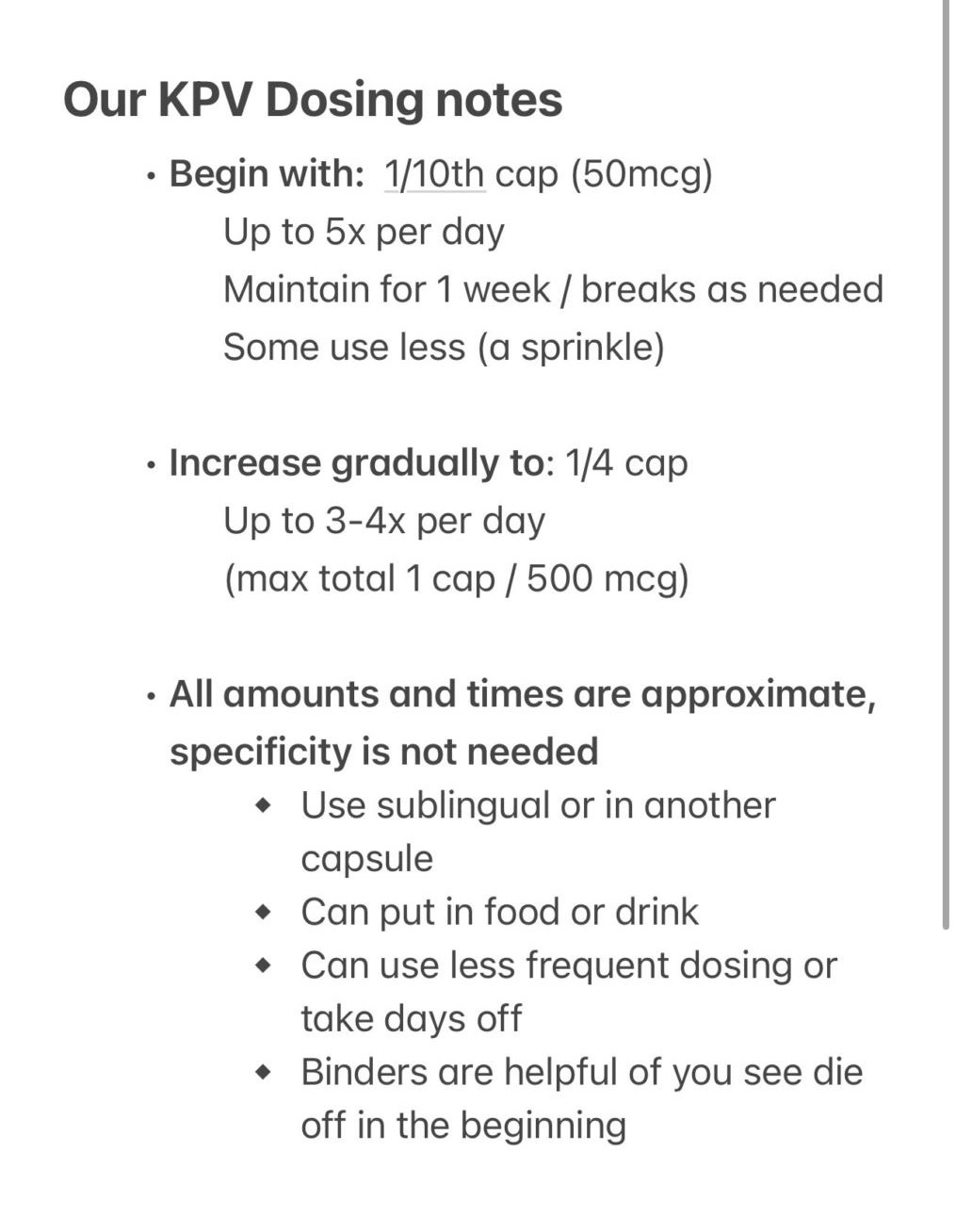
Realistic timelines for topical and injection results (how to measure progress), clinical trial findings, and honest expectations. In human blood, GHK-Cu concentration declines sharply with age, from roughly 200 ng/mL at age 20 to about 80 ng/mL at age 60 — which is the biological rationale for supplementing it topically or by injection to support tissue repair and skin health in older adults. It notably stimulates fibroblasts to increase collagen (elastin), and glycosaminoglycan synthesis—including hyaluronic acid—strengthening skin elasticity and hydration source.
Also (apoptosis is the mechanism through which many anti-cancer treatments), including melanoma treatments, work. They compared a serum described as 2% GHK-Cu on one eyebrow with its inactive base — or vehicle, on the other. A 2026 randomized, double-blind study compared a serum described as 2% GHK-Cu with its inactive base on opposite eyebrows in 18 adults aged 18 to 40.

Comentarios recientes